

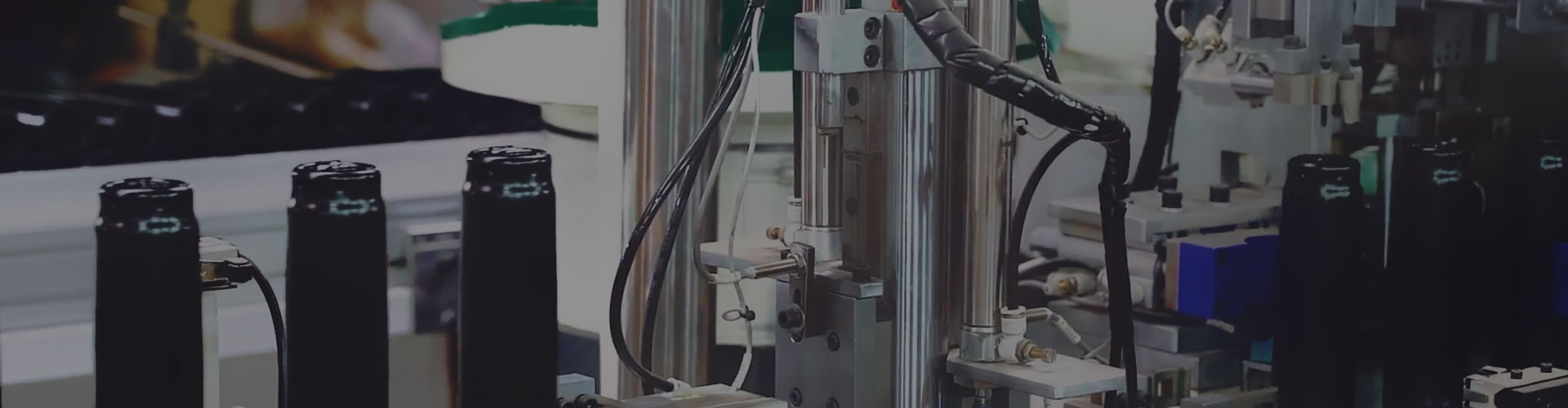
A hydraulic gas spring with a 50kg capacity refers to a mechanical device that combines the features of a gas spring and a hydraulic cylinder to provide controlled and adjustable lifting or supporting force with a maximum weight capacity of 50 kilograms.
The advantages of a hydraulic gas spring lie in its ability to offer smooth and controlled movement, as well as its ability to handle heavier loads compared to traditional gas springs. The hydraulic mechanism provides enhanced stability and control, making it ideal for applications that require precise lifting, positioning, or counterbalancing.
The structure of a hydraulic gas spring typically consists of a cylinder filled with hydraulic fluid, a piston rod, and a piston with a bypass valve. As force is applied, the hydraulic fluid is forced through the bypass valve, creating resistance and controlling the movement of the piston. The combination of hydraulic and gas properties allows for smooth and gradual force delivery.
To install and use a hydraulic gas spring with a 50kg capacity, follow these steps. Begin by ensuring that the spring is suitable for the intended application and weight capacity. Identify the mounting points and securely attach the spring using compatible brackets or fittings. Make sure to follow the manufacturer's instructions for proper installation, ensuring correct alignment and secure fastening. Test the functionality of the hydraulic gas spring by applying the load and observing its movement and stability. Adjust the spring if necessary to achieve the desired lifting or supporting force. Regularly inspect and maintain the spring, checking for any signs of leakage, damage, or loss of hydraulic fluid.
In summary, a hydraulic gas spring with a 50kg capacity combines the advantages of a gas spring and a hydraulic cylinder to provide controlled and adjustable lifting or supporting force for heavier loads. Its advantages include smooth and controlled movement, enhanced stability, and precise force delivery. Hydraulic gas springs are commonly used in various applications such as automotive, industrial machinery, furniture, and medical equipment, where controlled and reliable force is required for objects or components weighing up to 50 kilograms.